
Eat Smart
|
Get Moving
|
Get Screenings
|
Sleep Well
|
Reduce Stress
Eat Smart | Get Moving | Get Screenings | Sleep Well | Reduce Stress

Jump in
Water Aerobics provides great exercise with minimal stress on joints.
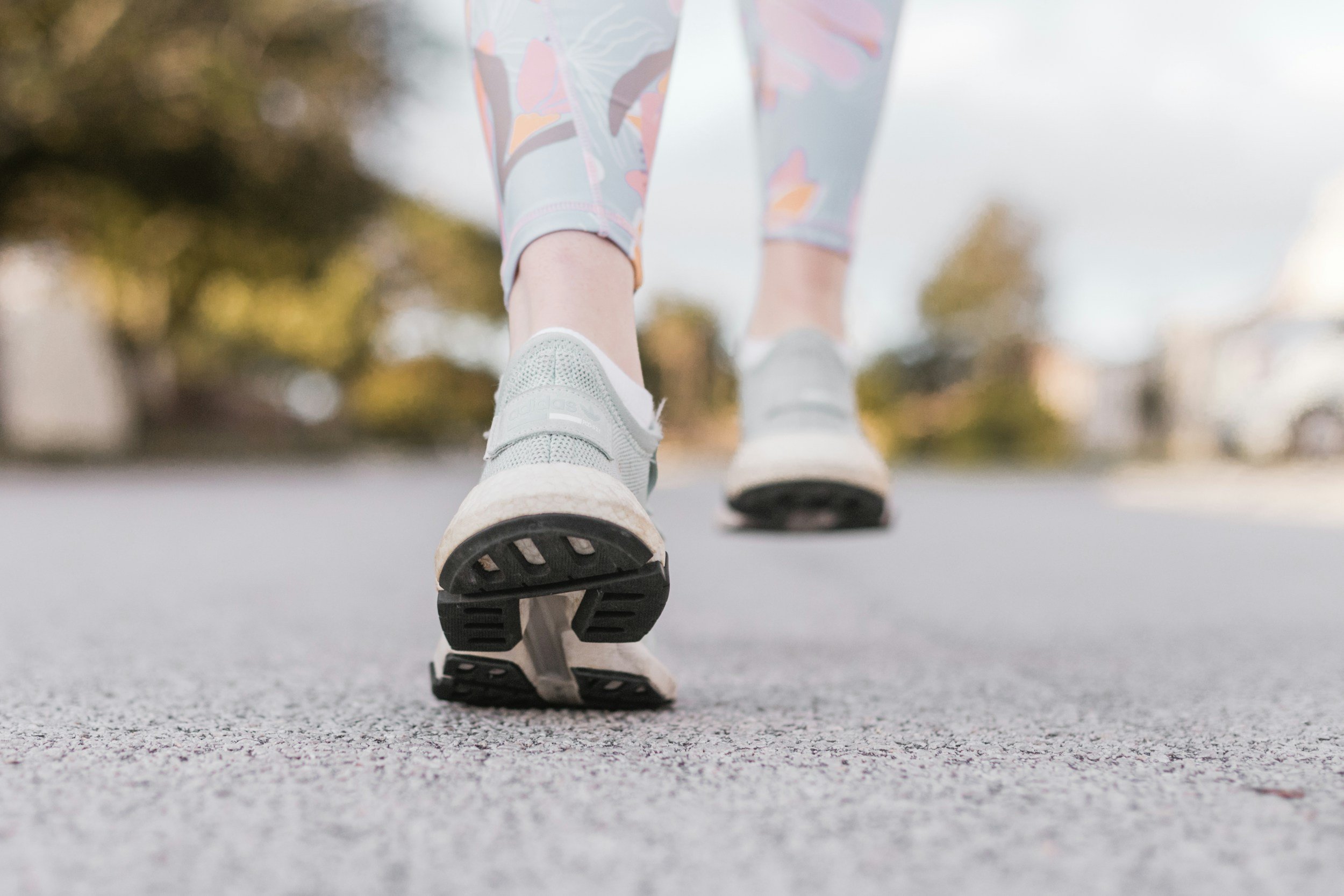
Walk this way
A walk around the block, a hike around the park, or a Power Walk on a course can get your blood flowing and heart pumping. Set the pace right for you.
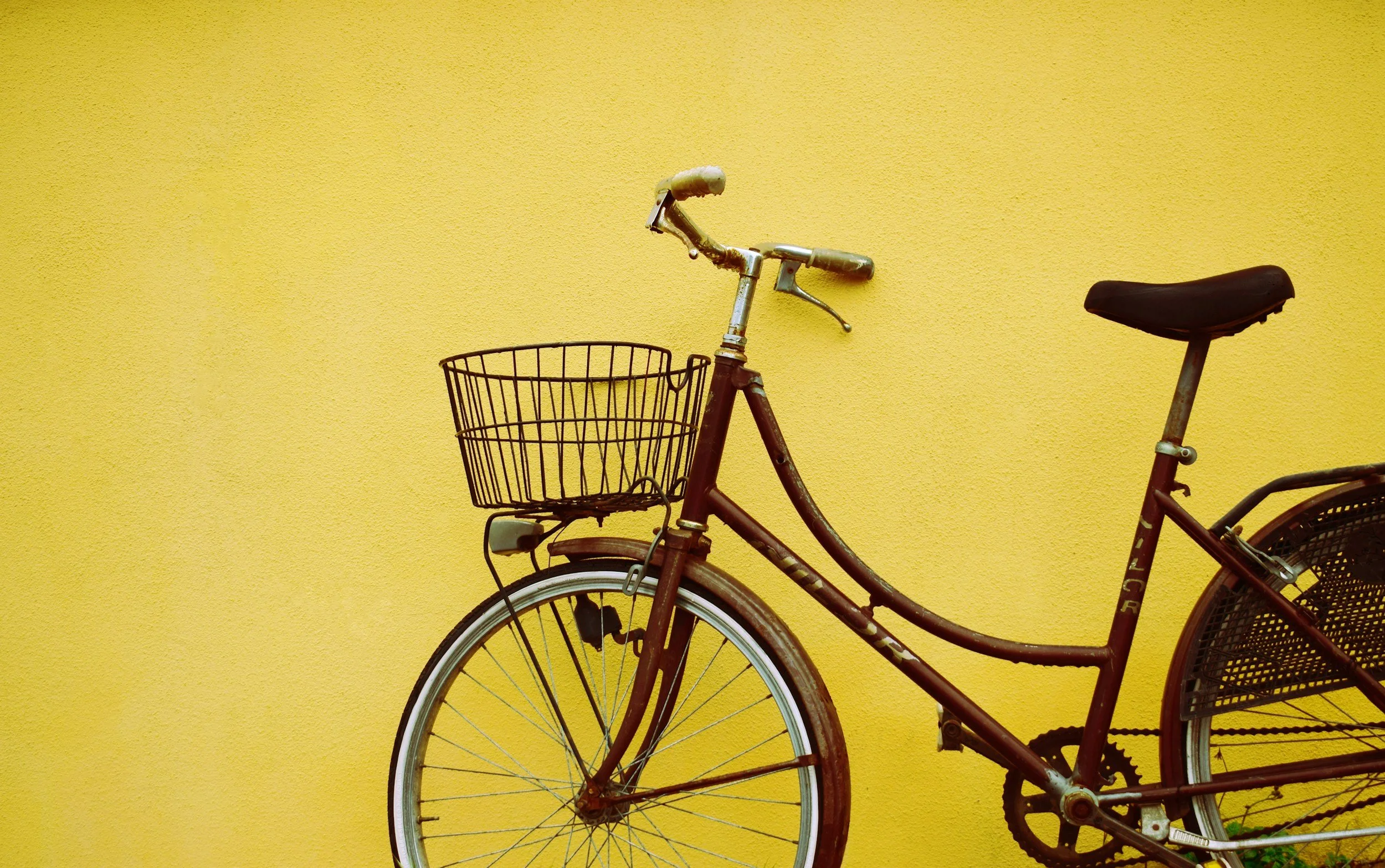
Spin the Wheel
Take a bike for a spin around town—or just the block. Cycling is aerobic and fun! You don’t need a fancy bike to get started. Let’s roll!
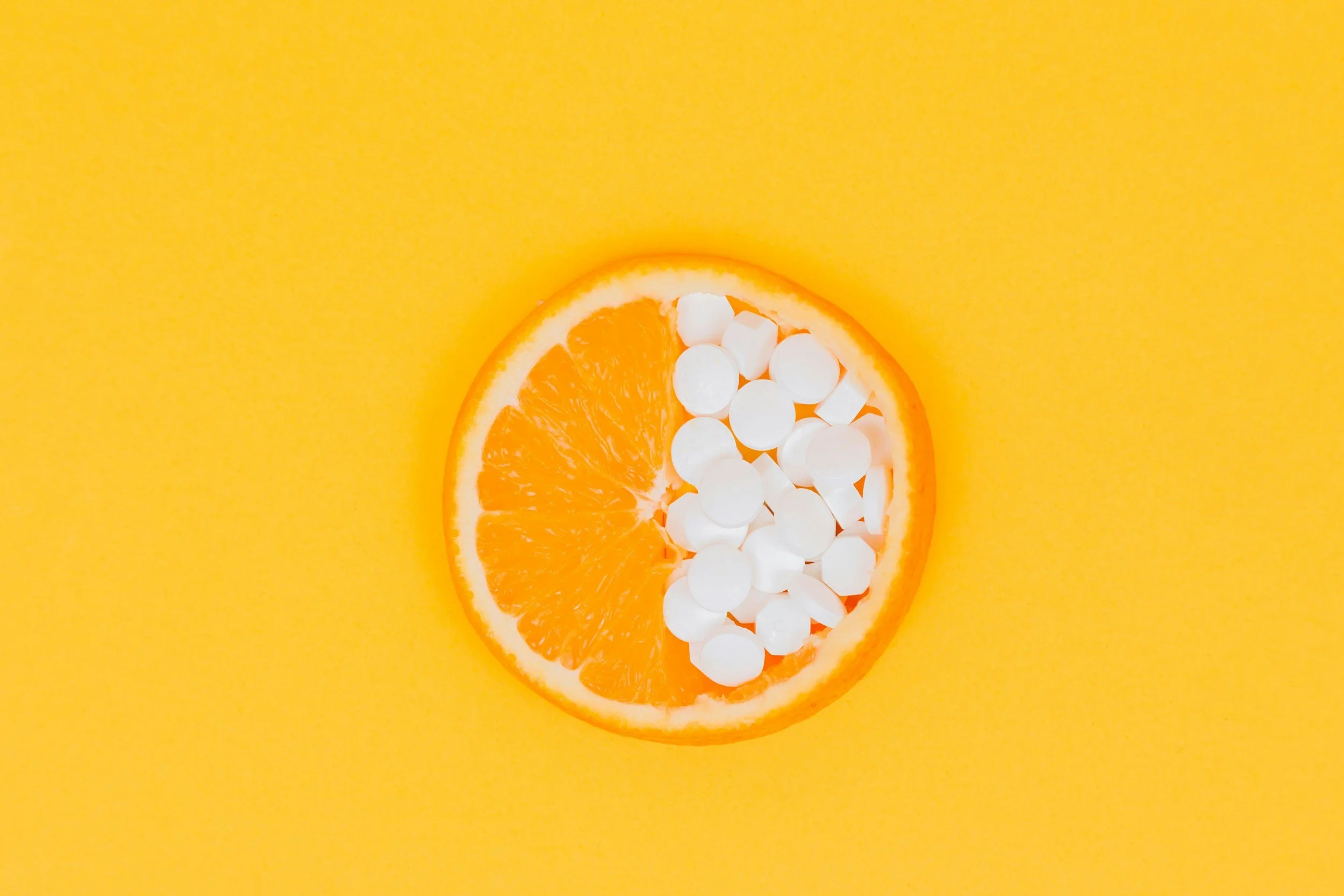
Vitamins Matter
Are you getting the right vitamins through your diet? If you’re not sure, consider a multivitamin supplement. Ask you physician before taking supplements.
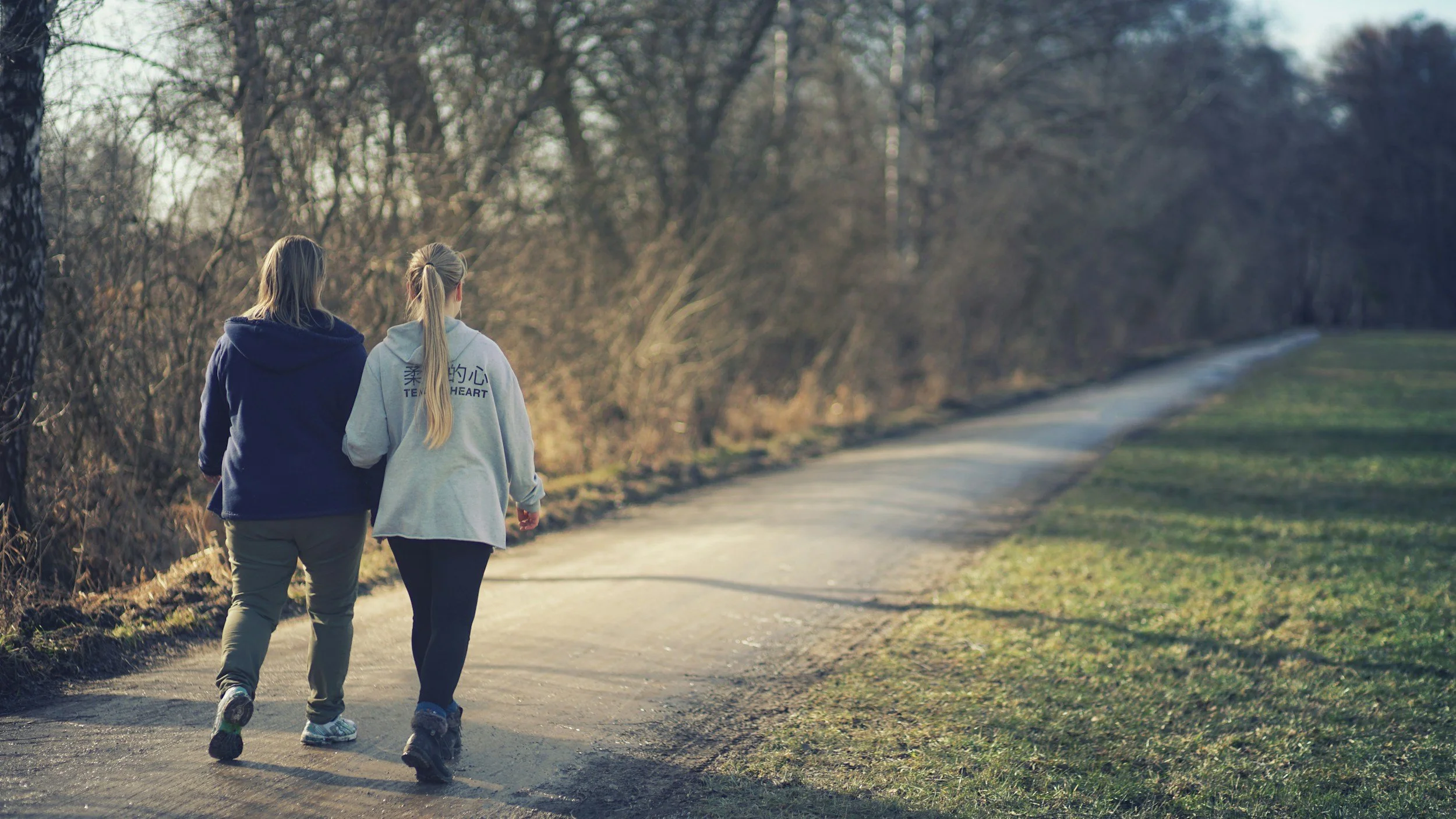
Buddy Up
Partner with a wellness buddy. Hold each other accountable, nudge, remind, encourage, and celebrate each other. You’ll go further when you have someone at your side.
Dawn and dusk are doorways
Every sunrise is a gift, painted by the Good Lord Himself: yesterday’s stress doesn’t get the final word. Research backs this up too — time in natural light lowers cortisol, lifts mood, and sharpens the mind.
Move gently. Even a fifteen-minute walk at dawn or dusk is a ritual of attunement. Jesus modeled it: “Very early in the morning, while it was still dark, Jesus got up… and went off to a solitary place, where he prayed” (Mark 1:35, NIV). If He needed the quiet of morning, so do we.
Let the day close well, too. “In peace I will lie down and sleep, for you alone, Lord, make me dwell in safety” (Psalm 4:8, NIV). Darkness, quiet, and cool air are the foundations God built into rest. Your bedroom is the final station of your daily health practice. Small steps compound — one walk, one glass of water, one quiet moment before sleep.
Quietly. Powerfully. Over time, they become who you are.
The Strength You Build is the Life You Keep
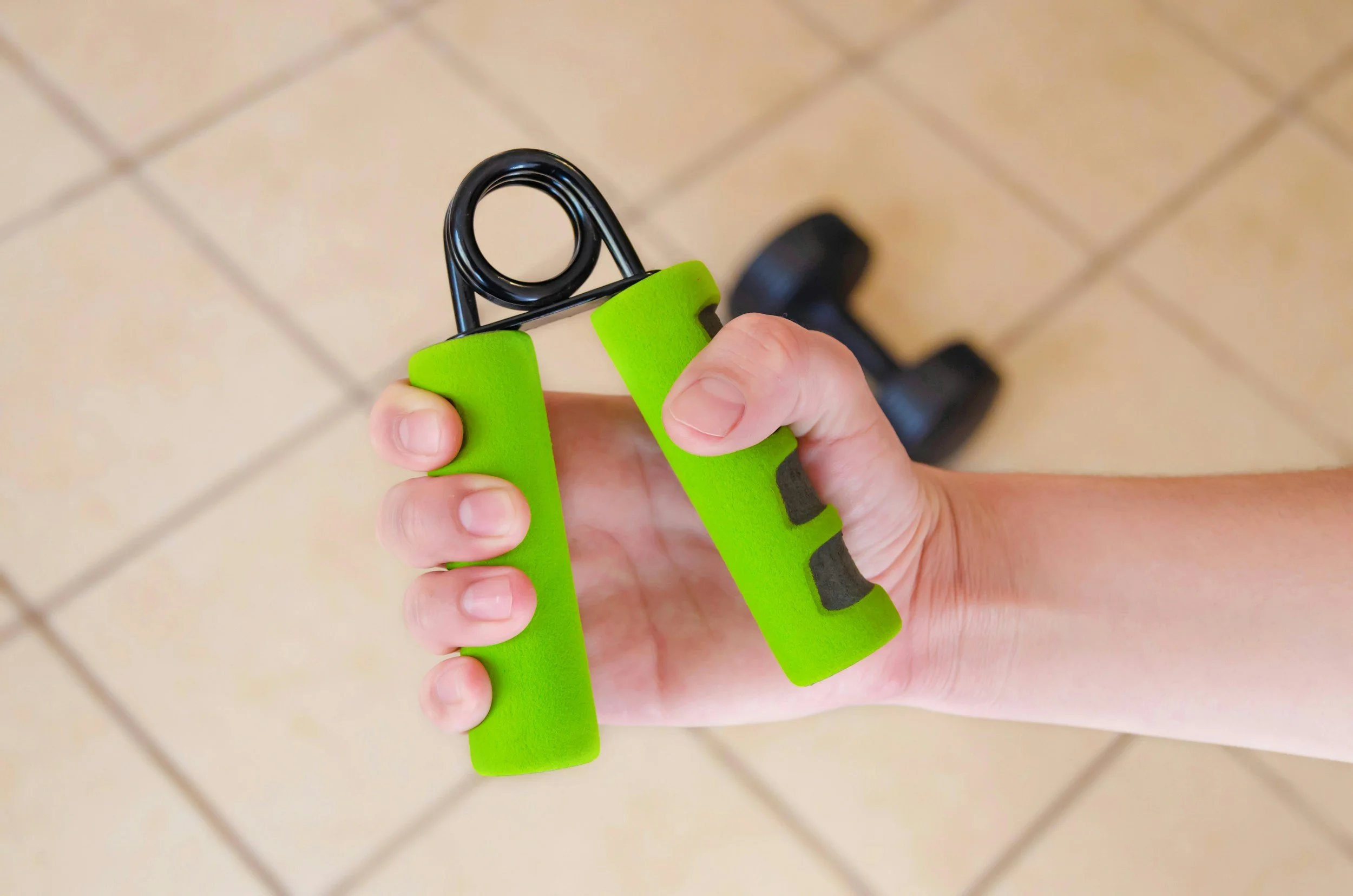
Here's a strange but true fact: if a doctor wanted one number to guess how many years you have left, your grip strength might beat your blood pressure. In a study of over 140,000 people across 17 countries, grip strength predicted death from any cause — and death from heart disease specifically — more accurately than systolic blood pressure. That's not a knock on blood pressure. It's a reminder that muscle matters more than we've been told.
For decades, strength training got filed under "optional" — something for bodybuilders, not for the rest of us just trying to make it to grandkids' graduations. The research says otherwise. A 30-year study following nearly 150,000 nurses and health professionals found that people who strength trained 90 to 120 minutes a week had a 13 percent lower risk of dying during the study period than those who didn't — and a 19 percent lower risk of dying from heart disease, 27 percent lower for dementia-related conditions. The best results came from pairing strength work with regular cardio, not choosing one over the other.
Why would lifting things — even light things — reach that deep into our health? Muscle isn't just for looking strong. It's your body's largest organ, and it acts like a sponge for blood sugar, soaking up roughly 80 percent of the glucose from a typical meal. It also releases chemical messengers that fight inflammation and help clear out the visceral fat tucked around your organs — the kind most linked to diabetes and accelerated aging. Strong muscle, in other words, is quietly working for you around the clock.
There's a bone story here too, especially for women after menopause. In the LIFTMOR trial, women in their 60s with low bone density did supervised high-intensity resistance training twice a week for eight months. Their bone density in the spine and hip actually increased, while a comparison group doing gentler home exercise kept losing ground. That matters because a broken hip carries a 15 to 30 percent chance of death within a year for an older adult. Strength training doesn't just add years — it protects the ones you have.
And here's the good news for anyone who thinks it's too late: it isn't. A study of nursing home residents in their 90s — the oldest was 96 — found that eight weeks of strength training nearly tripled their strength and boosted walking speed by half. You don't need a gym membership or a barbell. A sturdy chair, a wall, and a couple of water bottles will get you started with sit-to-stands, wall sits, and slow bicep curls.
This is Deep Health at work — the truth that caring for your body is one way of honoring the life you've been given. Strength isn't vanity. It's stewardship.
Your Lighthouse Step
Try this today: sit in a sturdy chair, fold your arms across your chest, and see how many times you can stand up and sit back down in 30 seconds — no hands. That's your starting line, not a test to pass or fail. Do it again in a month and watch the number climb.
Sources
1. Leong DP, et al. "Prognostic value of grip strength: findings from the PURE study." The Lancet, 2015.
2. Study of the Health Professionals Follow-up Study, Nurses' Health Study, and Nurses' Health Study II (147,374 participants, ~30-year follow-up). British Journal of Sports Medicine, 2026.
3. Watson SL, et al. "High-Intensity Resistance and Impact Training Improves Bone Mineral Density and Physical Function in Postmenopausal Women." Journal of Bone and Mineral Research (LIFTMOR trial), 2018.
“His compassions never fail. They are new every morning; great is your faithfulness. ”
A simple hand squeeze can predict your future better than your blood pressure cuff. Here's why strength — not just cardio — may be the most overlooked key to a longer, fuller life after 50.
“But those who hope in the Lord will renew their strength. They will soar on wings like eagles; they will run and not grow weary, they will walk and not be faint.”
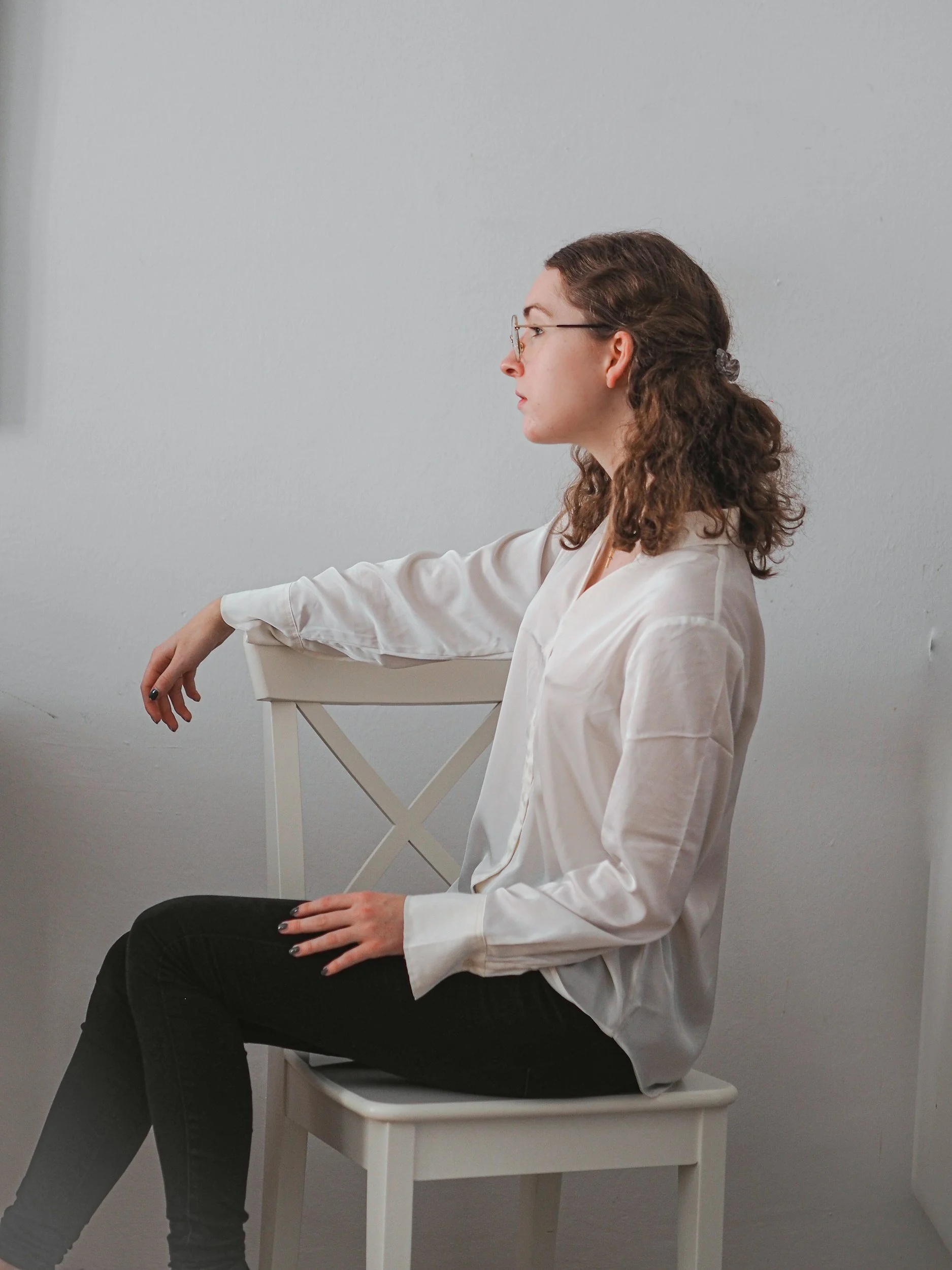
Looking to begin a simple but effective exercise program that is gentle on your joints? Consider Chair Tai Chi. Download this basic guide to see if it may be right for you. Remember to consult a physician before beginning any new regimen.
Take a class!
RICHMOND HILL YMCA offers a wide variety of classes that can help you get active and improve your fitness level. Fitness leads to better health.
SERVICES PROVIDED Fitness Center. Child Watch. Locker Rooms/Showers. Aerobics Room. 20+ Group Exercise Classes. MYZone – Biometric Tracking System. Spin Room. Multi-purpose Room. Soccer Fields
Income-Based Assistance
YMCA provides financial assistance for children, teens, adults and families who cannot afford the full cost of a Y membership or YMCA programs.
A sliding fee scale is used based on total household income and the number of household members. Supporting documentation is required.
How to apply for Income-Based Assistance:
Go to our Program page and apply to the Income-Based Assistance program or click here.
Staff member will process the application within 2 weeks and notify the applicants.
CONTACT INFORMATION Lynsey Clements, Branch Director 154 Thunderbird Drive, Suite 101, Richmond Hill GA
www.ymcaofcoastalga.org/branch/ richmond-hill